Archives
- 2026-11
- 2026-10
- 2026-09
- 2026-08
- 2026-07
- 2026-06
- 2026-05
- 2026-04
- 2026-03
- 2026-02
- 2026-01
- 2025-12
- 2025-11
- 2025-10
- 2025-09
- 2025-04
- 2025-03
- 2025-02
- 2025-01
- 2024-12
- 2024-11
- 2024-10
- 2024-09
- 2024-08
- 2024-07
- 2024-06
- 2024-05
- 2024-04
- 2024-03
- 2024-02
- 2024-01
- 2023-12
- 2023-11
- 2023-10
- 2023-09
- 2023-08
- 2023-06
- 2023-05
- 2023-04
- 2023-03
- 2023-02
- 2023-01
- 2022-12
- 2022-11
- 2022-10
- 2022-09
- 2022-08
- 2022-07
- 2022-06
- 2022-05
- 2022-04
- 2022-03
- 2022-02
- 2022-01
The molecular target of N BPs is
2022-01-03
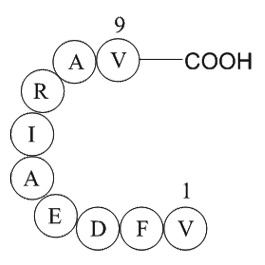
The molecular target of N-BPs is farnesyl diphosphate synthase (FPPS), a crucial enzyme at the branch point of cholesterol and isoprenoid synthesis in the mevalonate pathway [5]. Because they bind calcium ions, N-BPs accumulate quickly in the skeleton and are internalised by osteoclasts, leading to
Focal adhesion kinase FAK also known as protein tyrosine
2022-01-03
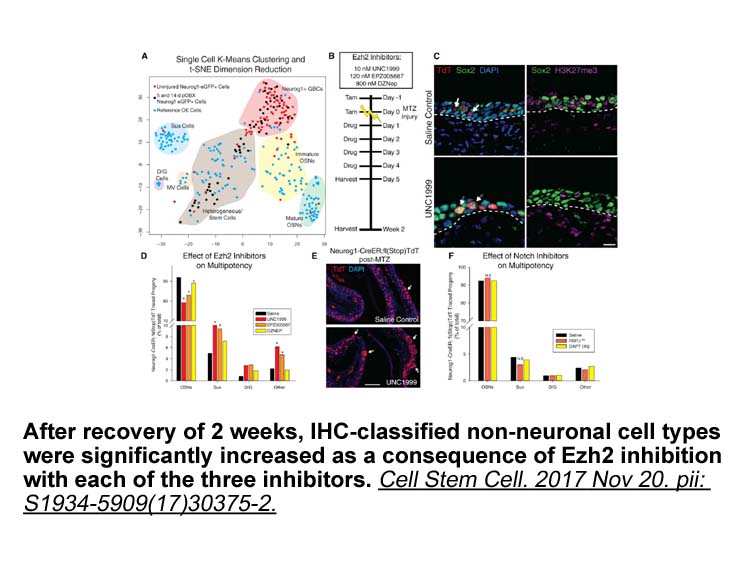
Focal adhesion kinase (FAK), also known as protein tyrosine kinase2 (PTK2), is a tyrosine kinase and vital member in integrin-mediated signaling pathways [3]. In response to integrin involvement, FAK would be phosphorylated. It was reported that FAK is involved in cellular adhesion and spreading [4]
A second H R antagonist with
2022-01-03
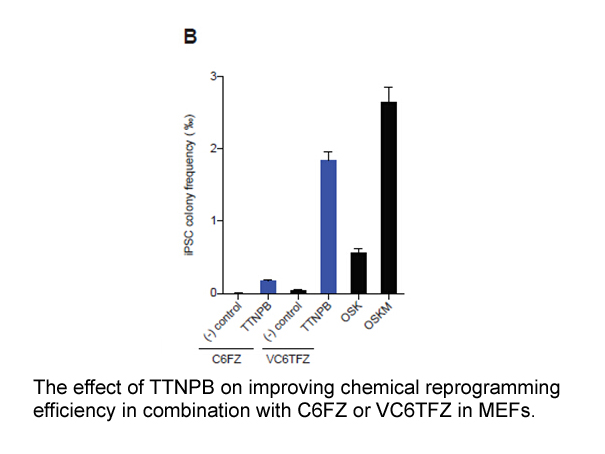
A second H3R antagonist with benzamide-based structure from Johnson & Johnson is JNJ-31001074, known as Bavisant and under chemical IUPAC name of (4-cyclopropylpiperazin-1-yl)-[4-(morpholin-4-ylmethyl)phenyl]methanone. It is a compound with molecular weight 329.44, HBA four, and MLogP 1.52 encompass
Long non coding RNAs lncRNAs are a
2022-01-03
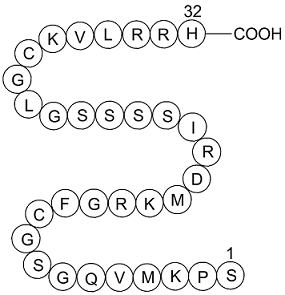
Long non-coding RNAs (lncRNAs) are a class of RNA transcripts which are over 200 nucleotides in length and not translated into proteins (Ponting et al., 2009). Recent studies showed that lncRNAs have been identified as crucial regulators of gene expression, chromatin remodeling, and cell cycle (Wahl
Aberrant expression of HKII may be a
2022-01-03
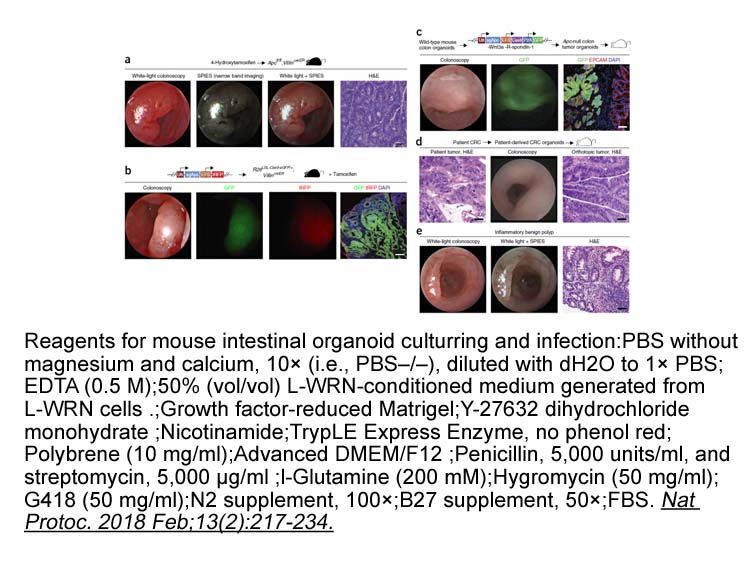
Aberrant expression of HKII may be a required feature for cancer development and progression. Overexpression of HKII has been reported in tumor tissues of cancer patients with liver [9], ovary [8], [24] and larynx [25]. The clinical significance of HKII in cancer was noted as overexpression of HKII
8105 records 541/541 page Previous First page 上5页 541